


In this blog
A white movement across the bog
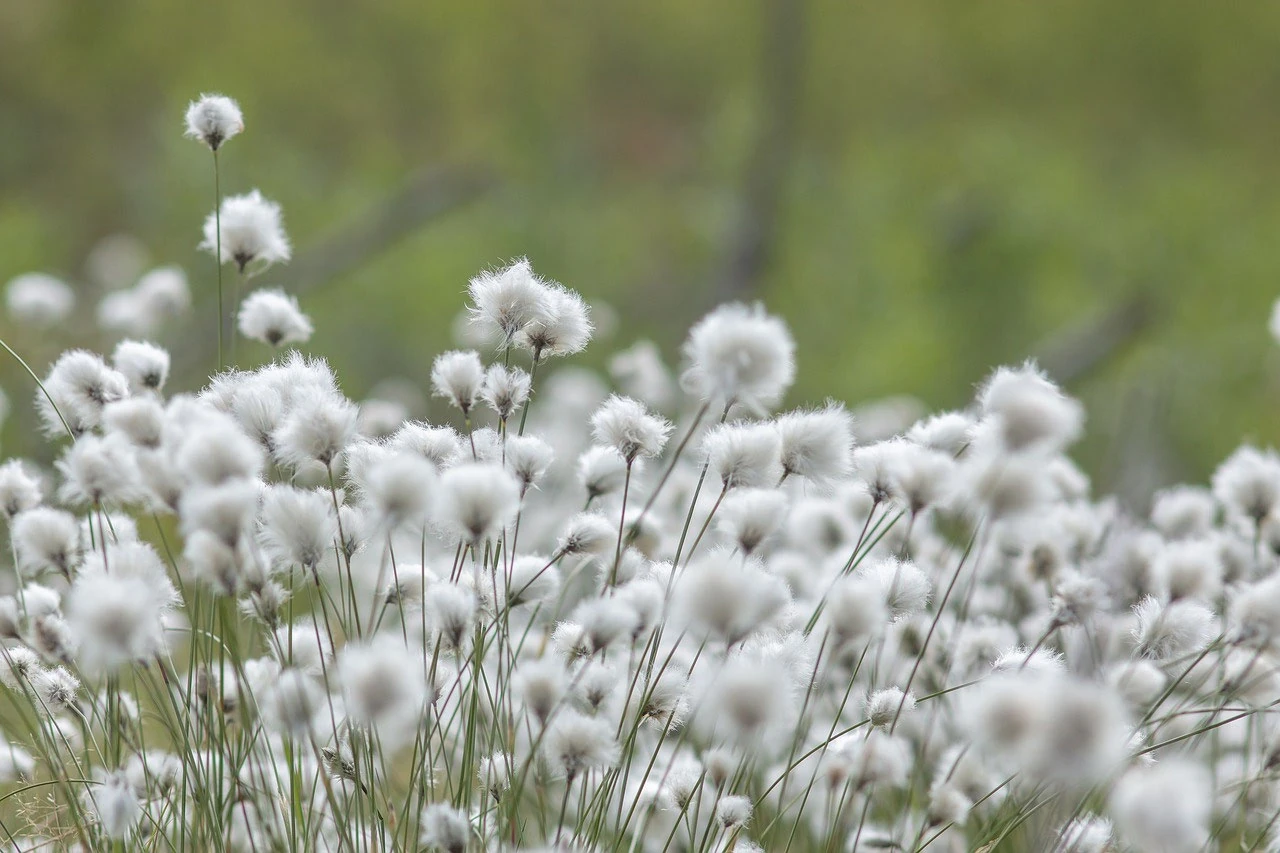
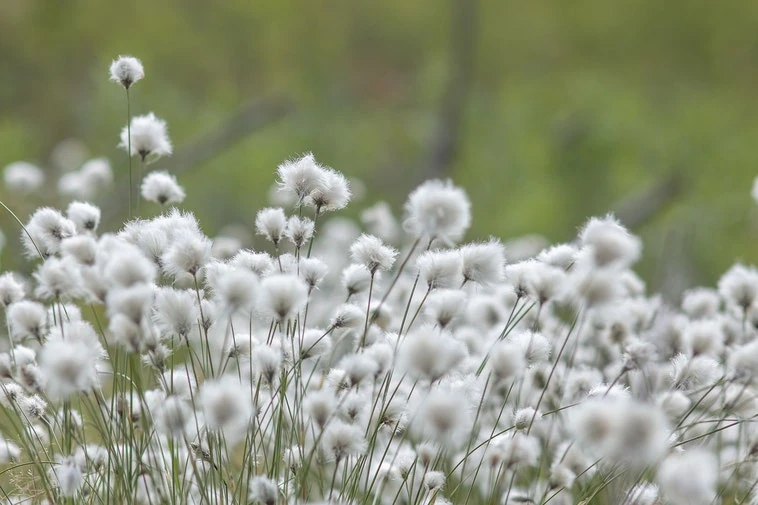
In early summer, white tufts can transform a wetland view. Moving in the breeze on slender stems, cottongrass is one of the quieter sights that makes a walk in Lapland memorable.
What is cottongrass?
Cottongrasses belong to the genus Eriophorum in the sedge family, rather than being true grasses. The conspicuous white “cotton” is associated with the seed heads; the flowers themselves are less showy.
Examples in northern wetlands include Eriophorum vaginatum, tussock cottongrass, and Eriophorum angustifolium, common cottongrass. Tupasvilla is the Finnish name for tussock cottongrass, not a name that identifies every species.
Where to look around Ranua
The area around Impiö includes many wetland views. The original local suggestions include directions towards Kaitasuo, Pitkäsuo and areas north of Simojärvi. Ask about a suitable current route rather than walking directly onto a bog based on a place name.
Observe from a safe road, marked trail or boardwalk. Wetland vegetation can conceal soft ground and water; a photograph is not a reason to leave established access.
When are the tufts visible?
Mid-June through July is a useful approximate window, with timing affected by weather and location. Some displays persist later. The appearance can change quickly, so there is no fixed peak date.
Past uses and ecological context
Cottongrass has been used historically as a filling or wick material. Today it is better appreciated in place. Its presence indicates suitable wet habitat, but one plant alone does not prove that an entire bog is undamaged.
Photographing the detail
Low morning or evening light can illuminate the white fibres. Try observing the movement before choosing a composition. A stable camera position helps, but keep your equipment on the path and avoid trampling plants.
The reward is not necessarily a spectacular photograph. It can simply be noticing how much life and movement there is in a landscape that first appeared still.
Read about wetland walking precautions.
The cabinExperiences & regionJournal