


In this blog
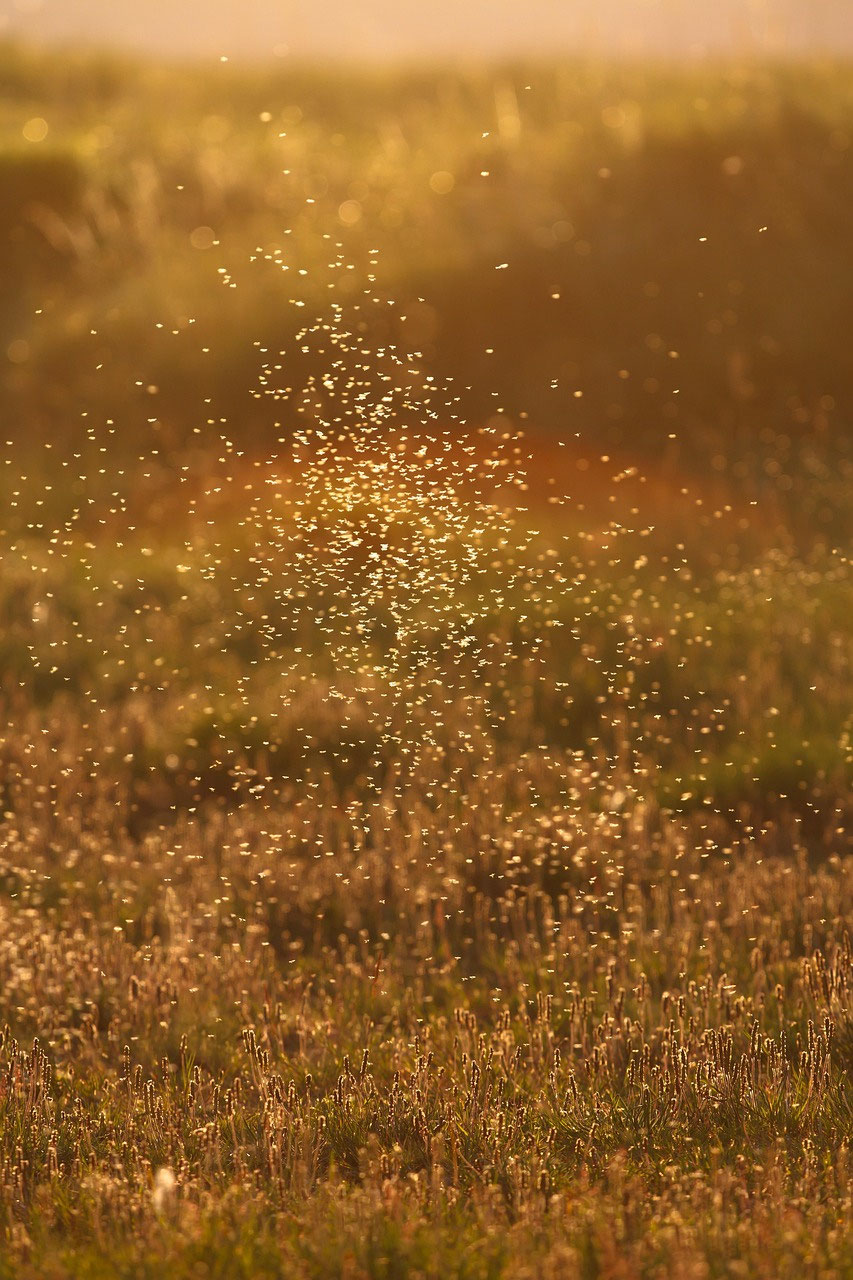
Yes, there are mosquitoes in Lapland, sometimes plenty around Midsummer and in July. With suitable clothing, effective protection and a little preparation, you can still enjoy evenings outdoors, hiking, fishing, swimming and family holidays.
The essentials
- The busiest period is generally from mid-June to late July.
- In August there are often fewer mosquitoes, especially as nights become cooler.
- Pack long clothing, a suitable repellent and mosquito nets.
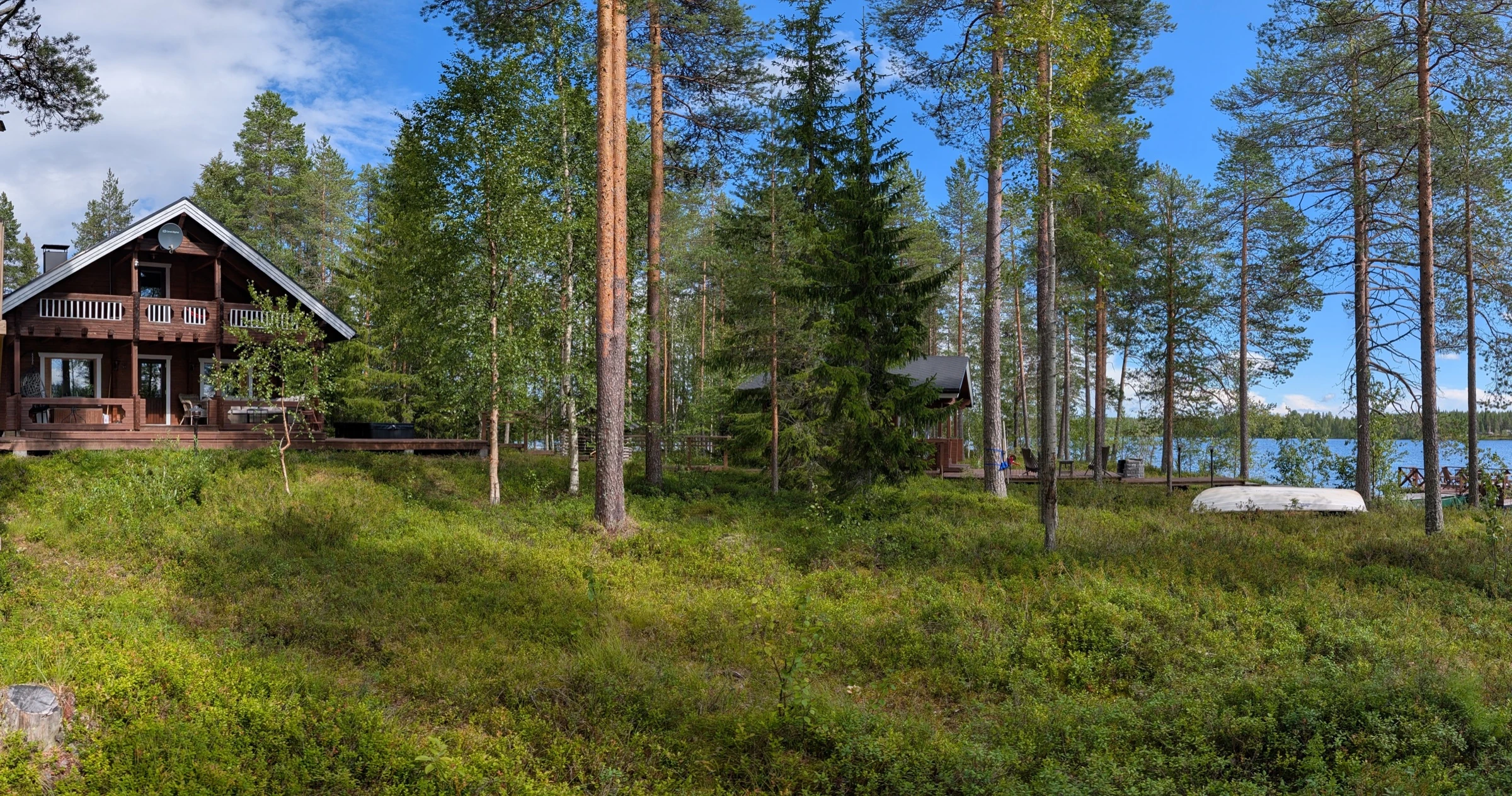
- At Mökki Tikka, all windows have insect screens. Five head nets and a Thermacell device are available. Bring compatible gas cartridges and repellent mats.
Which insects occur in Lapland?
Mosquitoes are especially common near lakes, wetlands and damp woodland edges. Blackflies are tiny flies associated with flowing water; their bites can hurt and leave small spots of blood. Biting midges are smaller still: ordinary mosquito netting may not be sufficient, so choose a very fine mesh.
Horseflies are large, day-active flies with a painful bite. Deer keds occur mainly in woodland in late summer and autumn. They can get into your hair and cause itching.
When are mosquitoes most numerous?
The peak is around the solstice, approximately 21 June, through to late July. Wetlands, dense forests and sheltered bays suit them. Open, breezy places are usually more comfortable.
Conditions often improve from August. Between late August and mid-September, some weeks can be almost mosquito-free, with cool nights and clear air. This is also berry season, and the first Northern Lights may sometimes be visible from late August. Conditions vary with the weather and location.
Are there health risks?
For visitors, mosquitoes are mainly a nuisance. However, some infections in Finland, including Pogosta disease and tularemia, can be transmitted by insects. Bites should therefore not automatically be considered harmless. Seek medical advice if you develop unusual symptoms.
Mosquitoes are part of nature
Their larvae feed fish and amphibians. Adults provide food for birds, bats and dragonflies, and some species also contribute to pollination. We prefer protecting ourselves to attempting to eliminate insects on a large scale.
Protection outdoors
- Clothing: wear long, loose-fitting clothes made of tightly woven fabric, preferably light-coloured, and closed shoes. Tuck trousers into socks. Follow product instructions for permethrin-treated clothing.
- Repellents: products containing DEET, icaridin, IR3535 or PMD are common options. Choose a product suitable for the user’s age and follow its label.
- Thermacell: the device is intended for outdoor areas where you remain seated. Effectiveness depends on the conditions and model; follow its instructions. The cabin provides the device, but you need to bring the consumables.
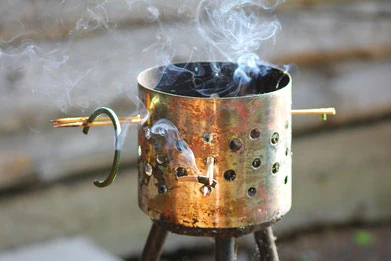
- Coils: these produce smoke and are for outdoor use only. They do not replace all other forms of protection.
- Nets: a head net is useful on walks. Choose particularly fine mesh for very small insects. A fan may help on the terrace.
- By the water: moving, paddling or walking is often more comfortable than remaining still in a damp, windless spot.
- Indoors: keep doors closed, use the window screens and use the air conditioning to cool rooms.
What about natural methods?
Campfire smoke can deter nearby mosquitoes. Smouldering coffee grounds are sometimes used for this reason, but are no substitute for repellent or netting. Essential oils such as citronella or lavender are not reliable protection when insects are plentiful.
Horseflies and biting midges
For horseflies, favour covering clothing and keep moving; repellents may be less effective. Very fine mesh nets are particularly important against biting midges.
Children and sensitive skin
Clothing, a hat and netting provide a good starting point. Follow all age restrictions and directions for repellents. For babies, prioritise physical barriers. If your child reacts strongly to bites, ask a doctor or pharmacist what treatment to bring.
After a bite
- Avoid scratching, wash with soap and water, then cool the area with a cold compress.
- Ask a pharmacist about hydrocortisone creams, gels or antihistamines and follow the directions, particularly for children.
- Heat devices for itching must also be used according to their instructions.
- Seek medical advice for significant swelling, fever or signs of infection. Difficulty breathing or feeling faint requires urgent medical help.
Packing list
- Long, light-coloured, tightly woven clothing; closed shoes and socks.
- A head net and, if needed, fine-mesh mosquito netting.
- Repellent suitable for the travellers and any children.
- Cartridges and mats compatible with the Thermacell device.
- Optional outdoor mosquito coils and clothing treated according to the manufacturer’s recommendations.
- A small first-aid kit, cold compresses and treatments recommended by your pharmacist.
Frequently asked questions
Is August better than July?
Often, yes, especially as nights cool down. There is no guarantee of a mosquito-free stay.
Can we bring children in summer?
Yes. Prepare covering clothing, nets, age-appropriate protection and a small first-aid kit.
Do I need a head net?
It can be very useful outdoors. Indoors, window screens and closed doors reduce the number of insects entering.
Which protection should I choose?
Combining clothing, suitable repellent and netting is more useful than relying on a single method.
Mosquitoes are part of summer in Lapland. With suitable preparation, they need not prevent you from enjoying your stay. If you prefer a usually quieter period, consider August or September.
The cabinExperiences & regionJournal