


In this blog
Choose darkness, then watch the weather
The northern lights can occur all year, but they are visible only when the sky is dark enough. In Finnish Lapland, roughly late August to early April is the practical viewing season. September to March is a useful planning window, not a guarantee.
What causes the display?
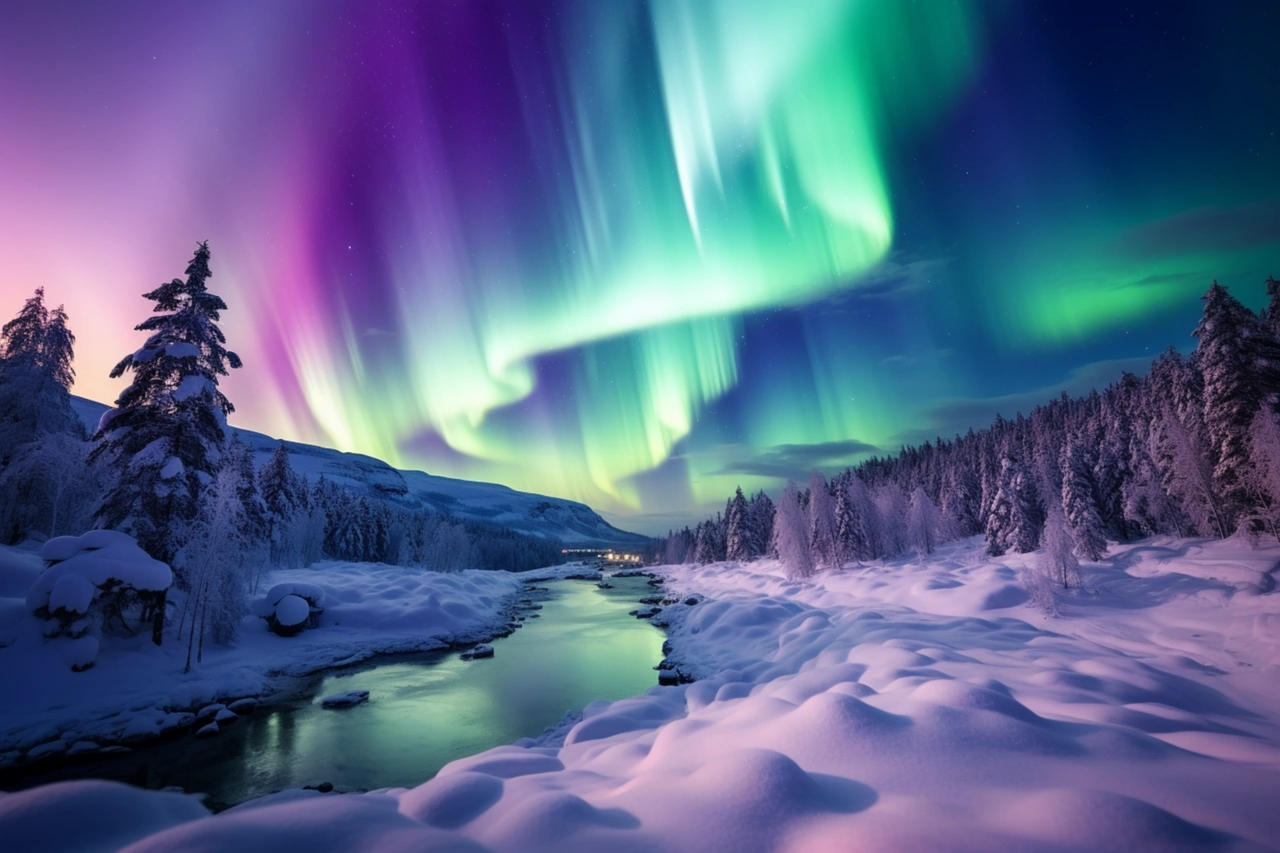
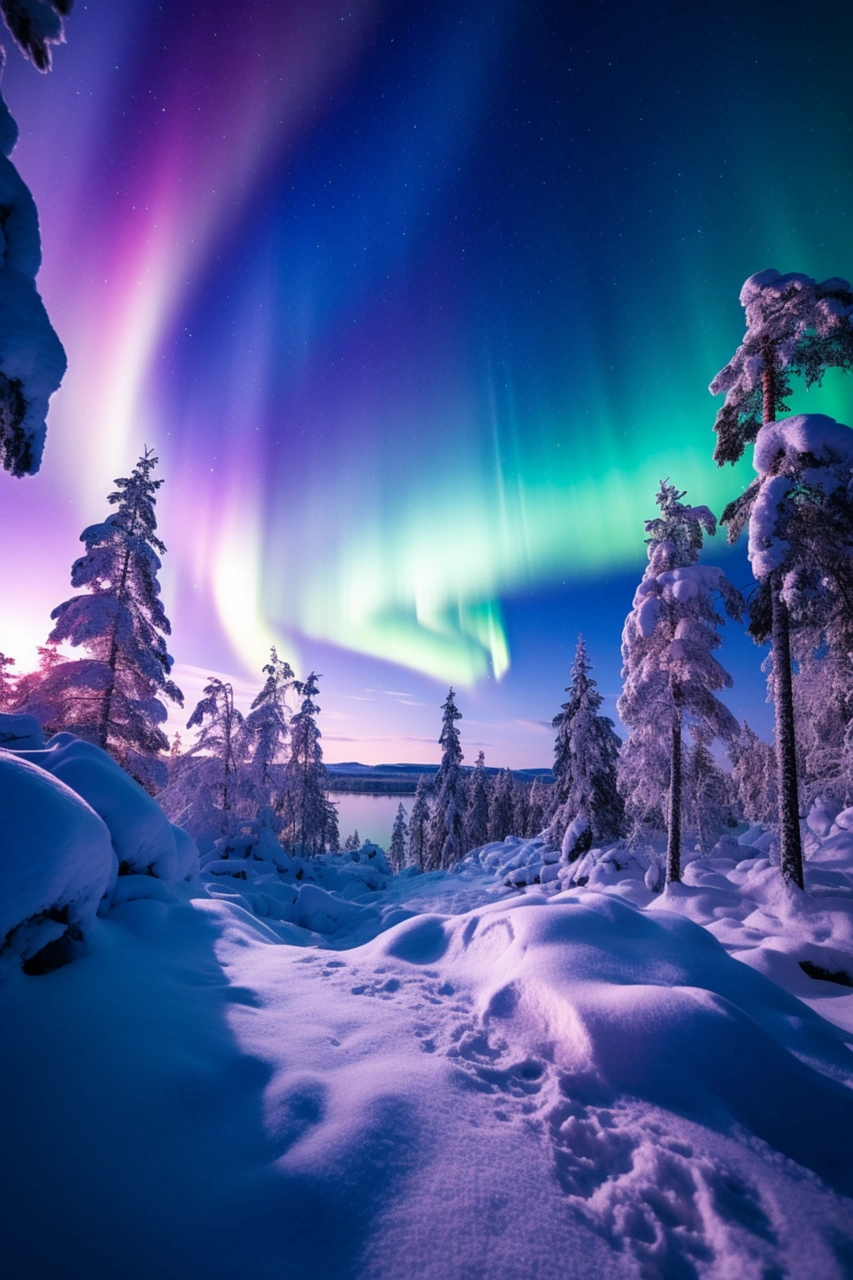
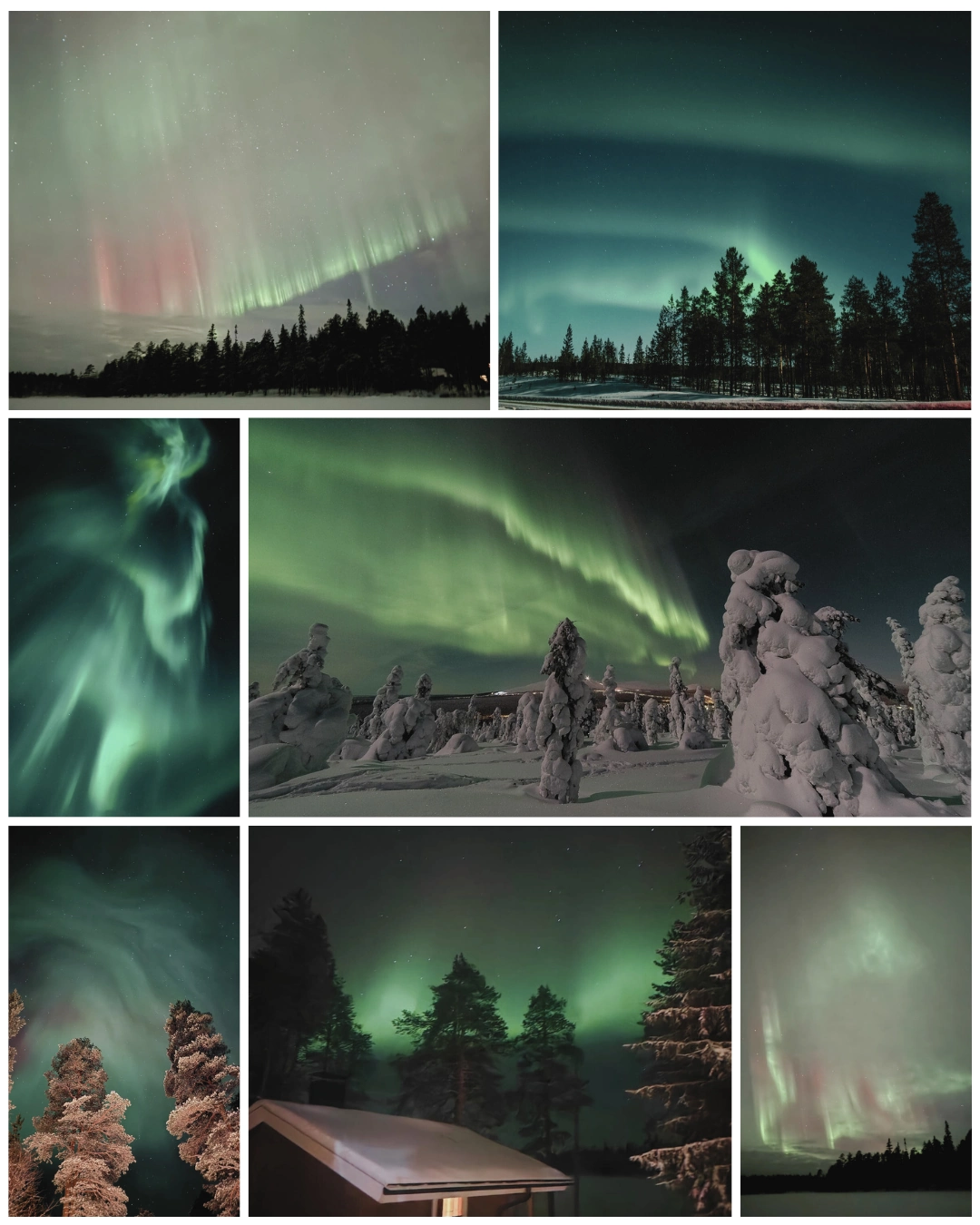
The solar wind interacts with Earth's magnetic environment. Charged particles excite gases in the upper atmosphere, producing light. Oxygen and nitrogen contribute different colours, including green, red, violet and pink.
How often do lights appear?
Frequency varies by location and conditions. The far north generally has more opportunities than areas farther south, but statistical statements about clear, dark nights are not predictions for your stay. Cloud can hide an active display completely.
Do not interpret a regional fraction or an annual number as the number of nights you will see aurora in Ranua. Several nights give you more chances to encounter different weather and activity, without guaranteeing success.
How long does a display last?
A brief burst can last only minutes. Other displays develop over hours, sometimes with quiet gaps between active phases. A faint first arc may grow stronger or fade without further activity.
Which hours are useful?
Late evening and around local midnight are useful times to watch, but aurora can appear at other dark hours. Check local observations and step outside periodically rather than waiting for a fixed clock time.
Which part of the season suits your holiday?
- Late summer and autumn: returning darkness, sometimes open-water reflections and less severe cold.
- Midwinter: many dark hours, but also short days and potentially very cold weather.
- Late winter and early spring: increasing daylight for activities with remaining dark hours for observation.
Cloud and snow conditions vary every year. Choose the daytime experience you want alongside the chance of seeing aurora.
Where to go?
Countries and regions near the auroral zone include northern Finland, Sweden, Norway, Iceland, Alaska and northern Canada. Within them, an open, dark and safely accessible location matters. A brightly lit street can obscure a weak display even in a favourable region.
Summer visibility
The bright northern summer conceals aurora even when it occurs. Ranua has very light summer nights rather than true midnight sun, because it lies south of the Arctic Circle. Farther north, the sun can remain above the horizon.
Planning from Mökki Tikka
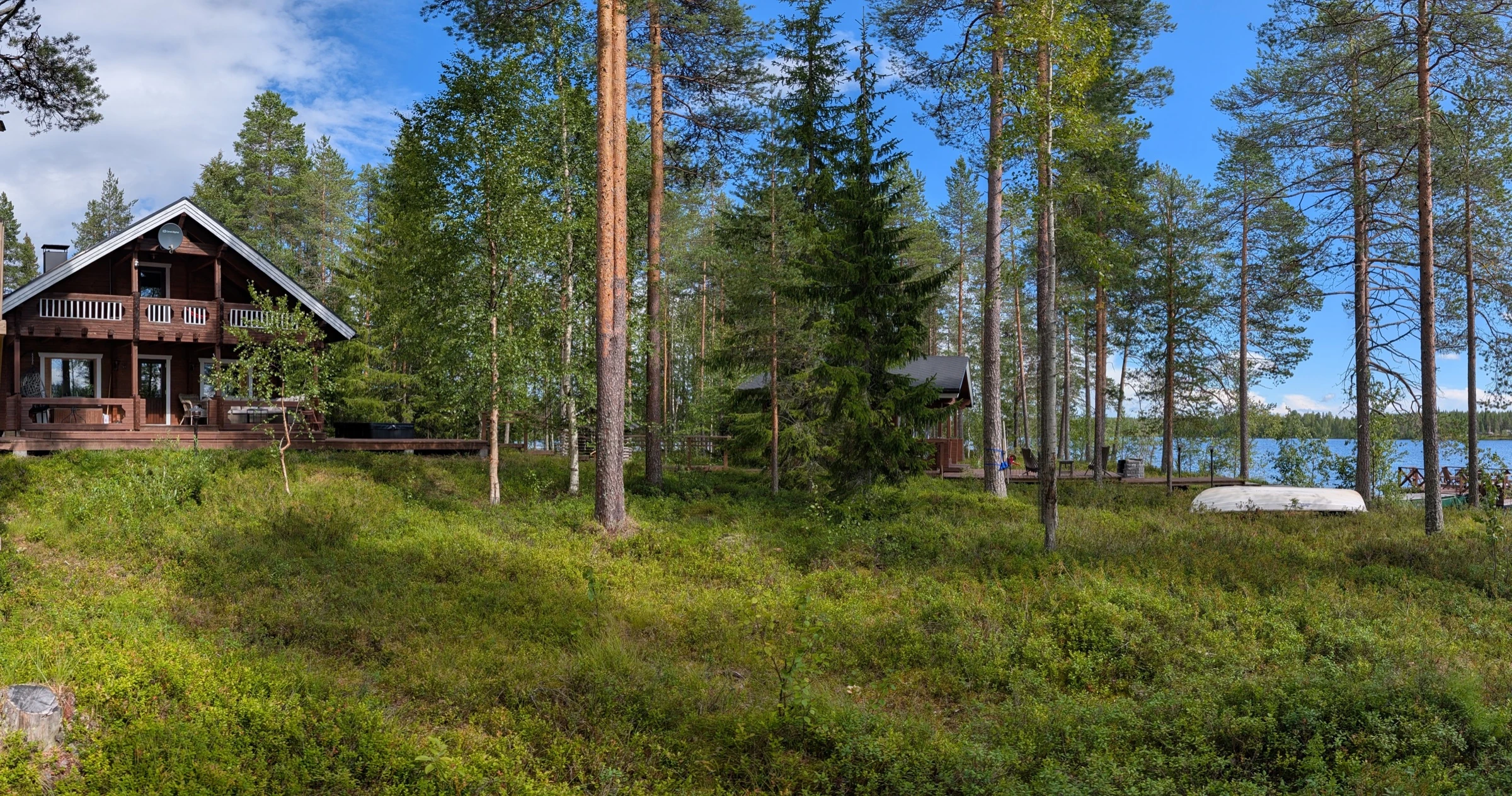
At Koirajärvi, you can check the sky from suitable ground near the house and take breaks indoors. Follow Finnish Meteorological Institute observations together with local cloud forecasts. Read our full guide to viewing and photography for practical preparation.
The cabinExperiences & regionJournal