


In this blog
Forestry and timber
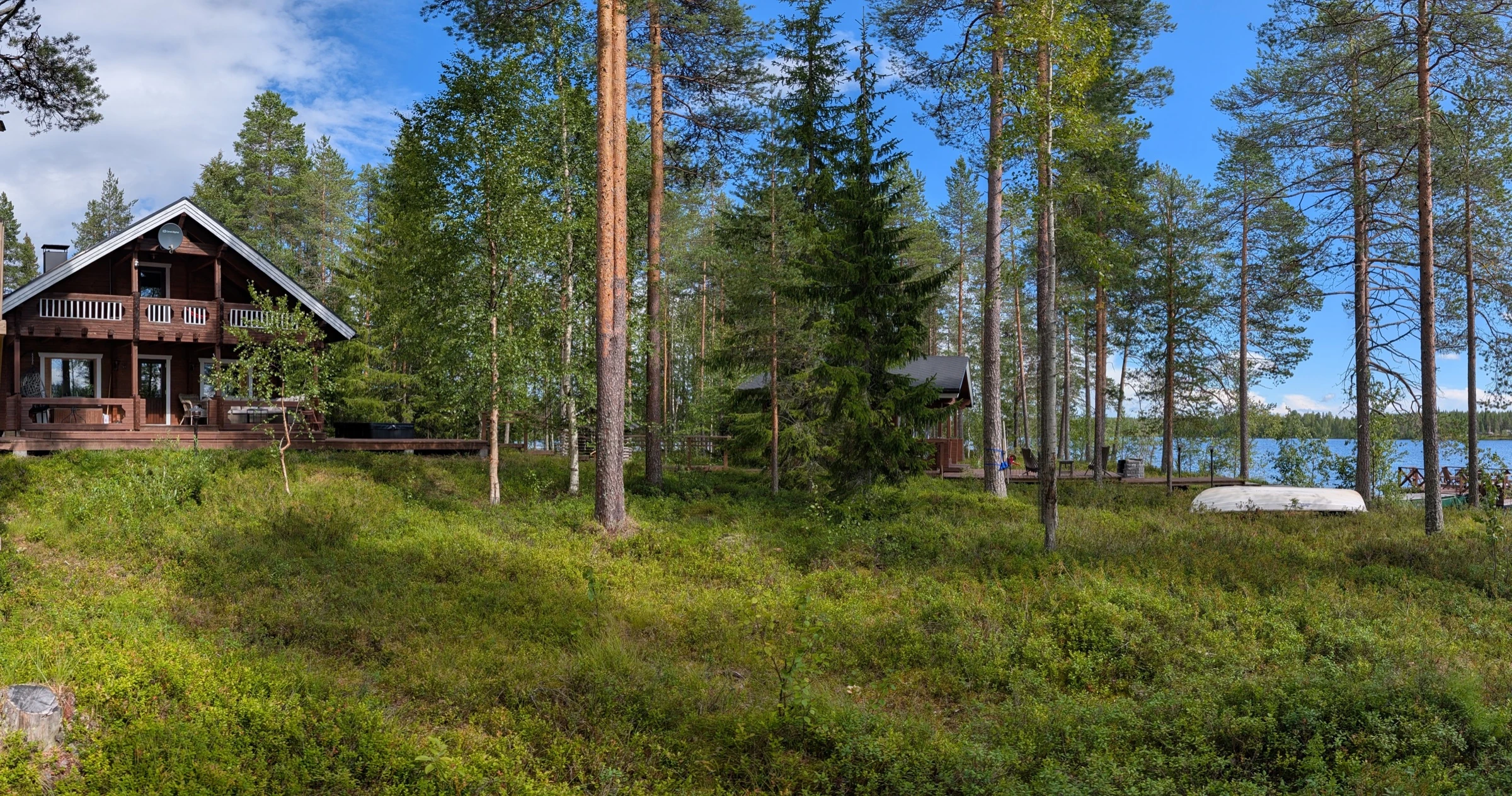
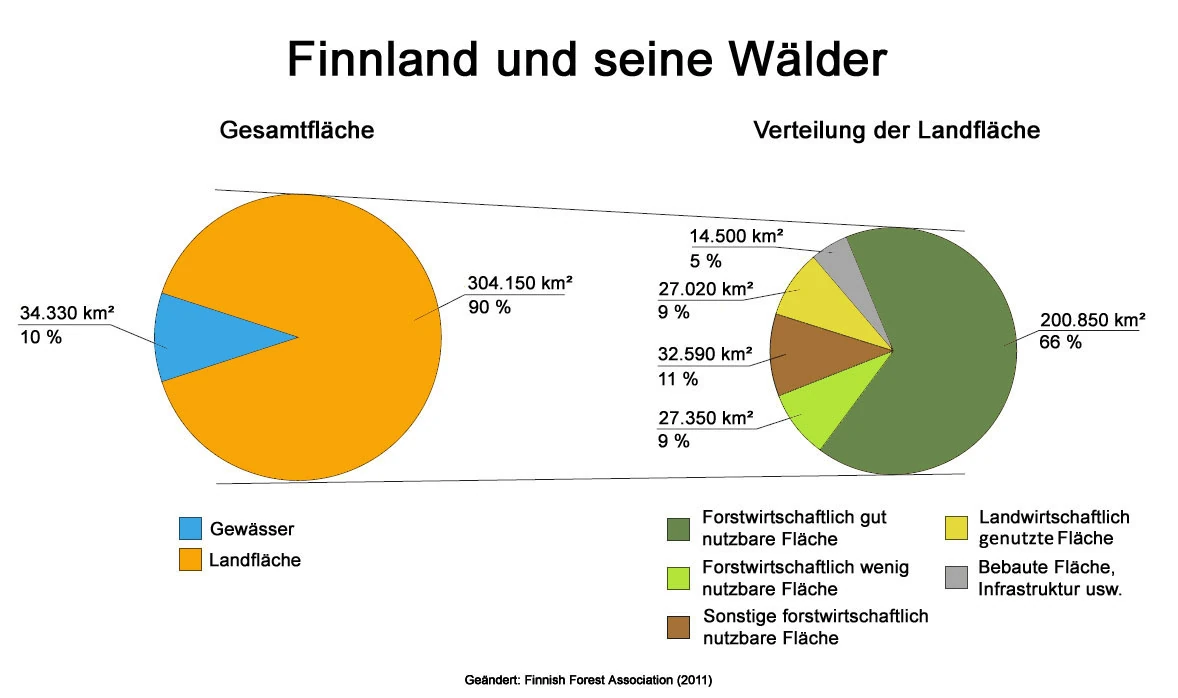
Forests cover much of Ranua’s landscape, and forestry is an important source of work. Spruce and pine supply construction, pulp and paper production. Jobs include harvesting, transport, machine maintenance and supporting services, as well as smaller wood-processing businesses.
Farming and seasonal produce
Dairy farming, potatoes, grain and berries contribute to the rural economy. Gathering cloudberries and lingonberries provides seasonal income for some households. Farms may also sell directly, offer accommodation or run small shops with homemade products.
Public services
Schools, administration, care and technical services provide employment. Health and social services, including those provided through Lapha, also need staff in the area. These jobs help sustain year-round life beyond the tourist seasons.
Tourism and its wider effects
Ranua Wildlife Park attracts families and school groups. Around it, holiday cottages, sauna experiences, excursion providers and nature guides offer work on a smaller scale. Mökki Tikka in Impiö is part of that local tourism landscape.
Visitor spending also reaches transport, food services, crafts and maintenance. Small, personal businesses allow guests to get to know the people behind an experience.
Self-employment
Local businesses cover woodworking, game processing, repairs, catering, home care, rentals, software and bookkeeping. Some combine several activities or work seasonally.
Ranua’s working life rests on several foundations: forests, farming, public services, visitors and practical skills. For many people, flexibility means doing different kinds of work at different times of year.
The cabinExperiences & regionJournal