


In this blog
Choose Lapland for what it offers
Lapland suits travellers who enjoy space, quiet, forests and water. It also has busy resorts and popular attractions, so the experience depends on where you stay. A private cottage around Ranua offers a different rhythm from a central hotel or a tightly scheduled tour.
These answers help you decide whether the region matches your expectations, without promising perfect snow, an aurora display or an insect-free summer.
Is a holiday in Lapland worthwhile?
Yes, if you value time outdoors and are comfortable with a slower day. A lake view, a walk, wildlife watching or an afternoon doing very little may be the main event. If nightlife, shopping or constant entertainment is essential, choose your location carefully or consider another kind of holiday.
Is it really that cold?
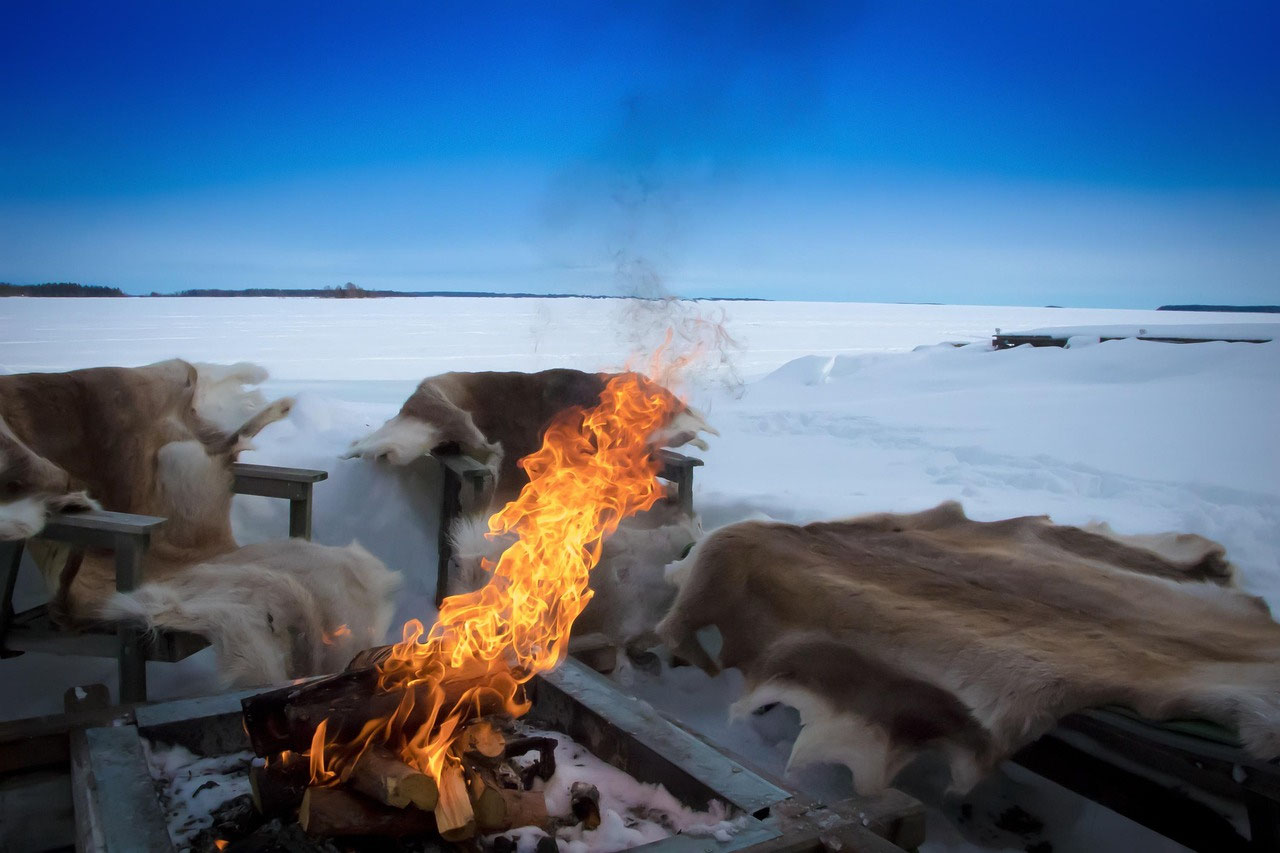
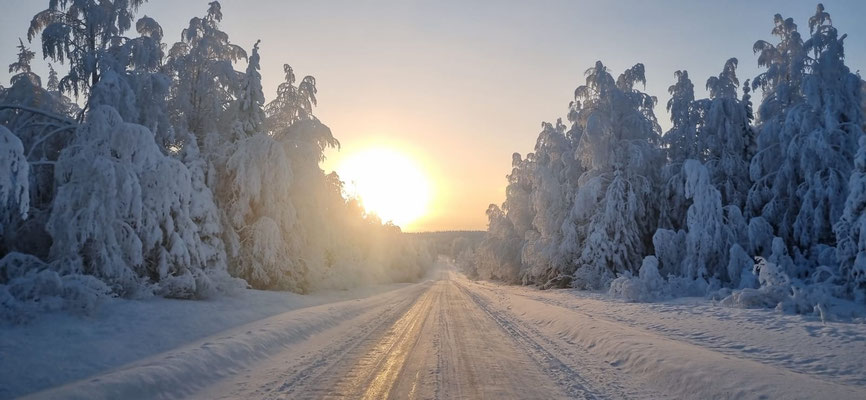
Winter can be very cold. Dry air may feel different from damp cold at home, but wind, exposure and low temperatures still matter. Suitable layers, insulated boots, mittens, a hat and wind protection help. Clothing does not make every temperature or activity safe for everyone: adjust plans and take warm breaks.
See the packing guide for summer and winter.
Is winter always dark?
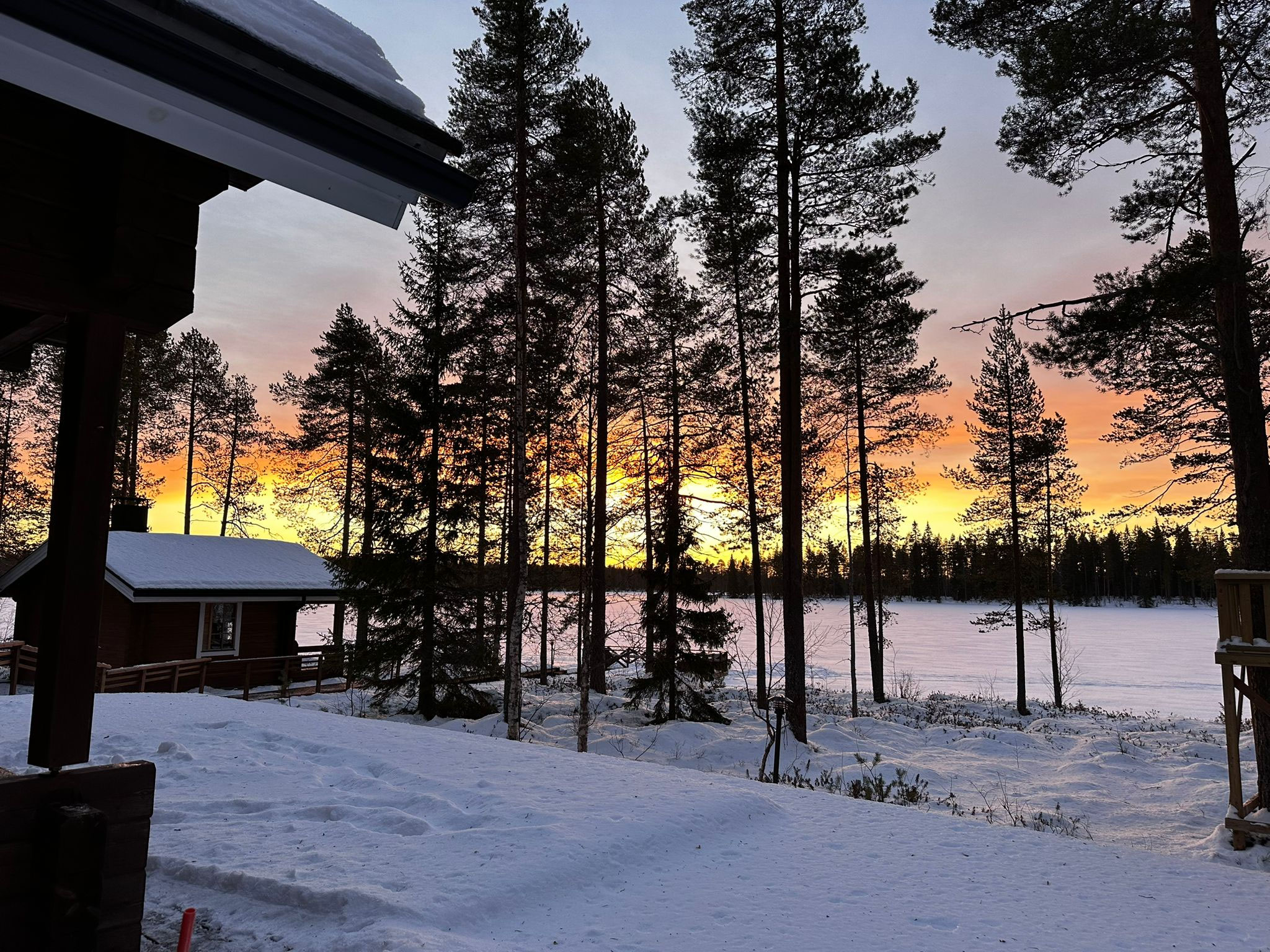
Midwinter days are short, with long twilight and dark periods. Ranua lies south of the Arctic Circle and does not have a true polar night. Snow reflects available light, creating a different atmosphere from an unlit winter landscape farther south.
Some visitors find this restful; others miss long daylight hours. February and March offer substantially more daytime light while usually retaining a winter setting.
Can northern lights be guaranteed?
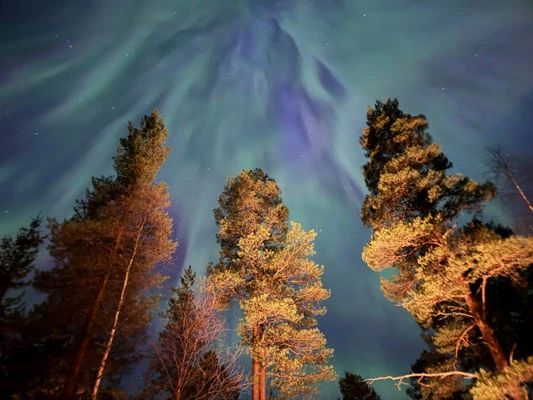
No. Dark skies, suitable activity and clear weather must coincide. Staying several nights gives more opportunities, but not certainty. At a dark cottage you can check the sky regularly and return indoors between observations.
Read our guide to forecasts, viewing and northern-light photography.
Are summer mosquitoes a problem?
They can be numerous, particularly in early and midsummer and around sheltered wet ground. Conditions vary with weather and location. Long clothing, a head net when useful and an approved repellent help. Use insect-control products only as labelled; they are not suitable for every outdoor setting.
Late August or early autumn may have fewer insects, though there is no fixed mosquito-free date. See our summer travel articles for more preparation advice.
Can I avoid mass tourism?
Yes, but not every destination is quiet. Central Rovaniemi and major winter attractions can be busy during peak weeks. Rural areas such as the surroundings of Ranua offer more space and independence. The trade-off is that you need to plan shopping, transport and activities more deliberately.
Hotel or cottage?
| Hotel | Holiday cottage or mökki |
|---|---|
| Services and meals may be available on site | Your own kitchen and meal schedule |
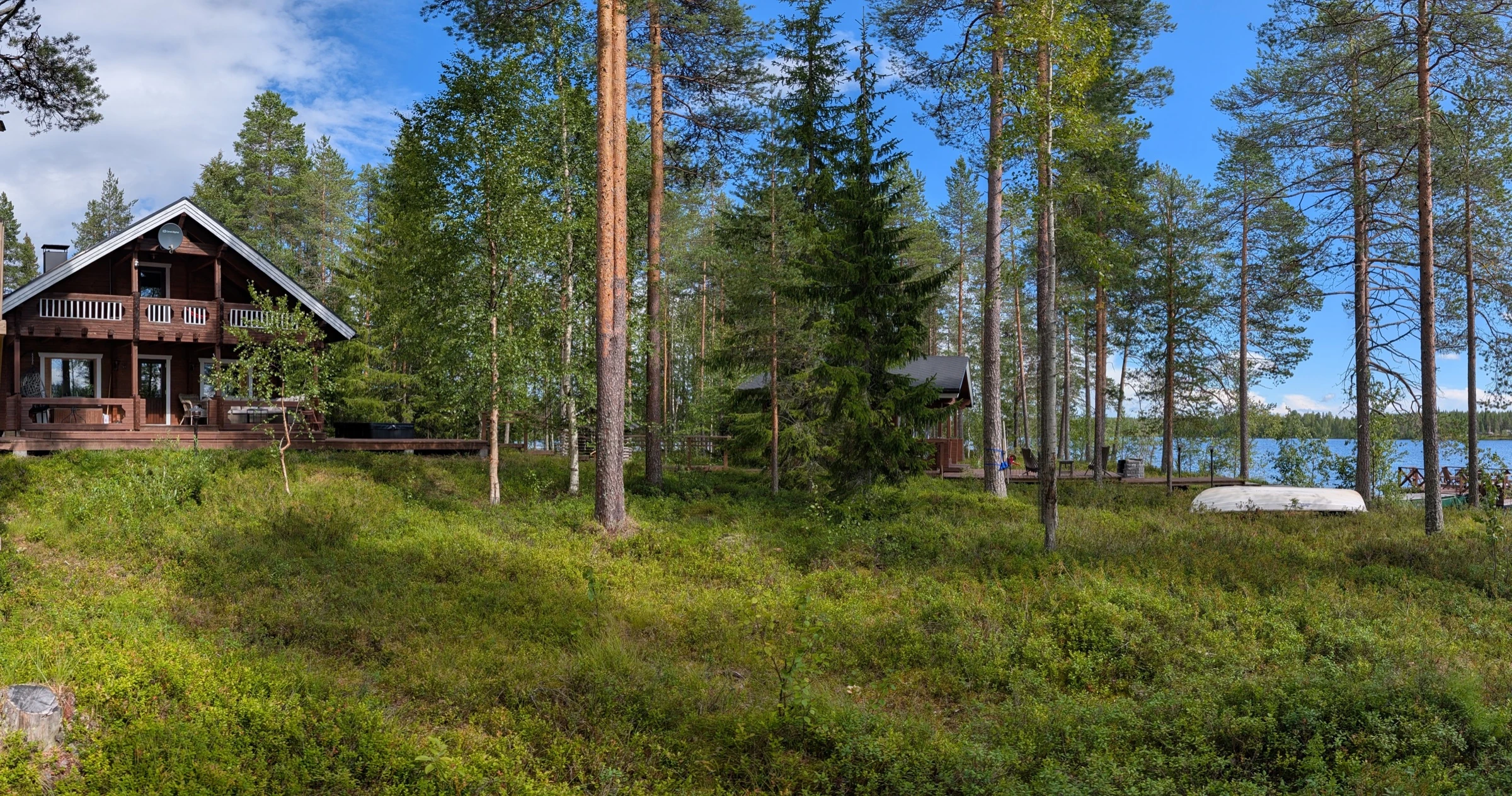
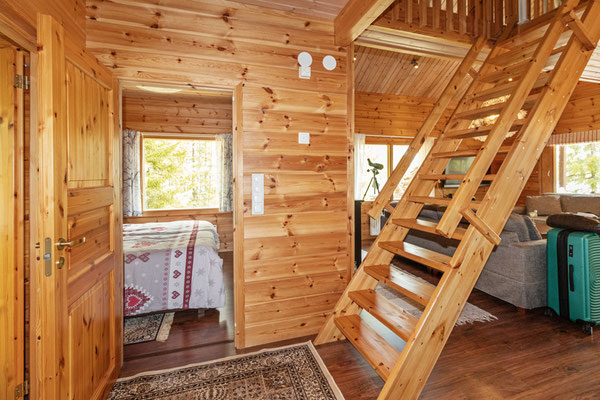
| A room and shared areas | Space and privacy for your group |
| Often convenient for organised programmes | More freedom to arrange your own days |
| Location varies from town to resort | A rural stay may need a car or planned transfers |
Neither is universally better. Choose the balance of service, independence and location that suits you.
Is Lapland worth visiting in summer?
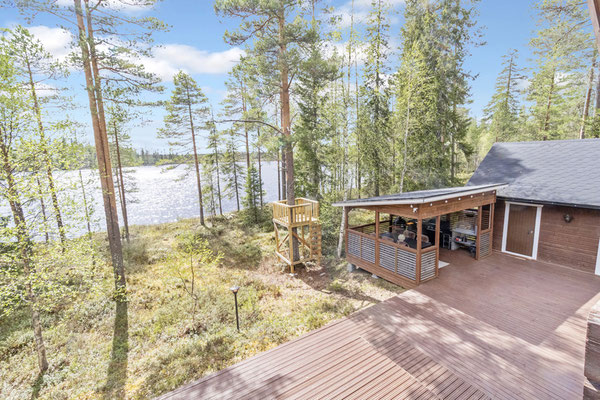
Yes. Fishing, canoeing, birdwatching, walks and long light evenings create a completely different holiday from winter. Ranua has bright summer nights rather than true midnight sun; farther north, the sun remains above the horizon for part of summer.
A summer visit can appeal to people who want northern space without severe winter cold. Warm spells, rain and insects remain part of the season.
With children or older travellers
Families can enjoy simple things: watching animals, collecting berries they can identify, paddling in suitable conditions or sledding in winter. Supervise children near water, fire and snow, and choose activities for their age and the actual conditions.
Older guests need not fill each day with demanding exercise. Gentle walks, scenery and time at the house can be enough. Discuss mobility, access and health-related needs before booking instead of assuming every cottage or excursion is suitable.
How long should I stay?
Five to seven nights, or longer, allow time for travel, changing weather and rest. This is a travel recommendation, not the minimum booking condition. Mökki Tikka's direct-booking minimum is normally three nights; agreed exceptions for travelling groups can be discussed.
Transport and costs
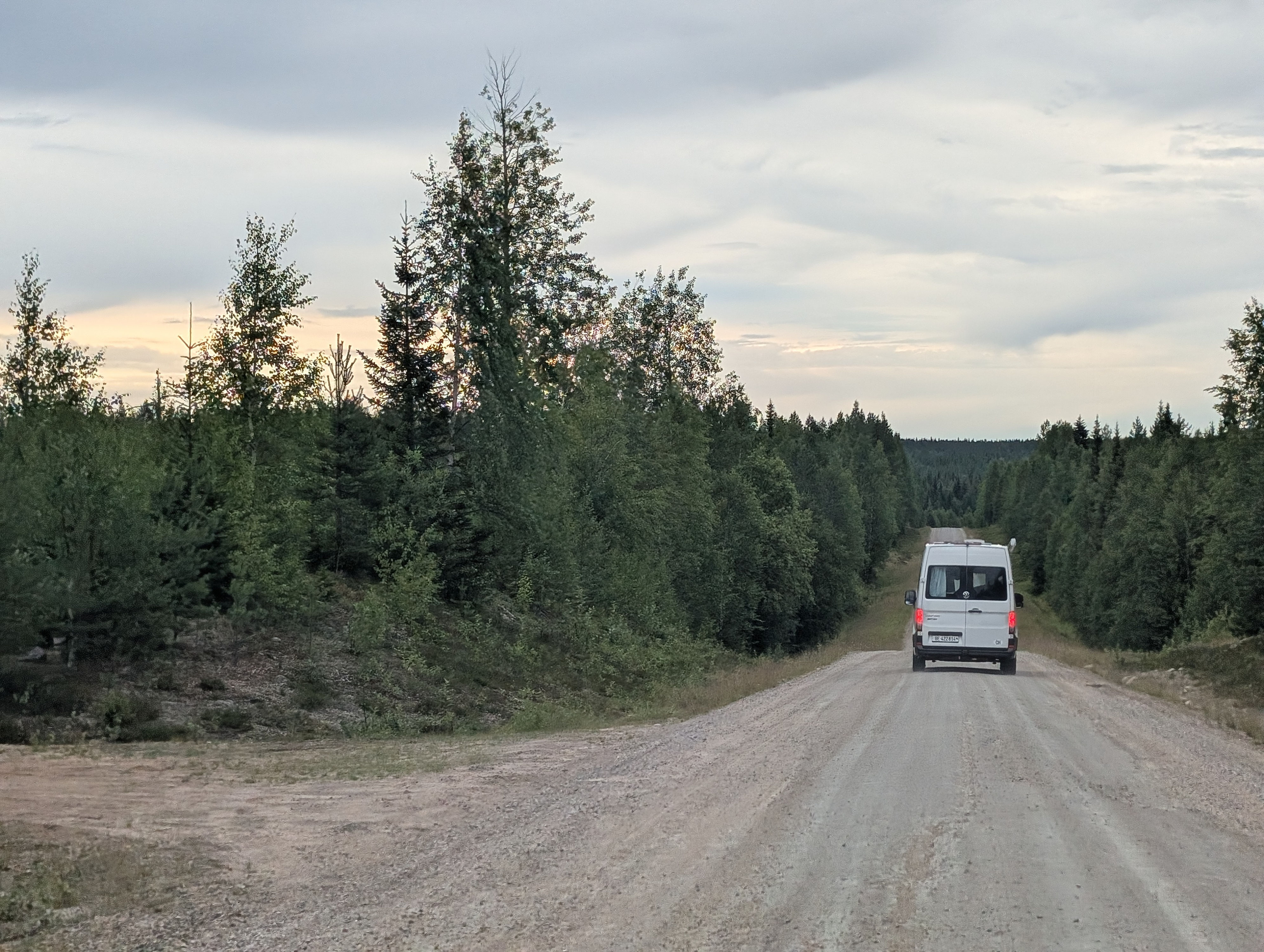
A rental car is often the most practical choice in a rural area. Transfers can work when arranged in advance, but do not offer the same flexibility for shopping or spontaneous outings.
Activities, restaurant meals and transfers can be expensive. A cottage kitchen helps you manage the budget. Compare the full cost, including flights, transport, food and chosen outings, rather than accommodation alone.
Support before arrival
We can help you think through the best season for your interests, clothing, rental cars or transfers, what equipment is at the house, shopping before arrival and suitable excursions. Tell us what matters to your group so we can give relevant advice.
More frequently asked questions
Can I drink tap water? Finnish tap water is generally suitable for drinking; follow any specific local notice. Can I travel without organised tours? Yes, many walks and quiet nature experiences are independent, while specialist winter activities benefit from professional providers.
Which season is best? Choose winter for snow activities and dark skies; choose summer for open water and light evenings; autumn offers colour and the return of dark nights. Can I see aurora in September? Yes, when darkness, activity and weather align.
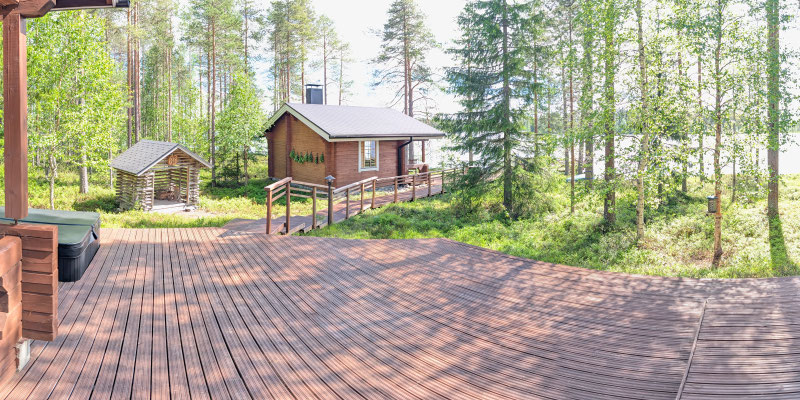
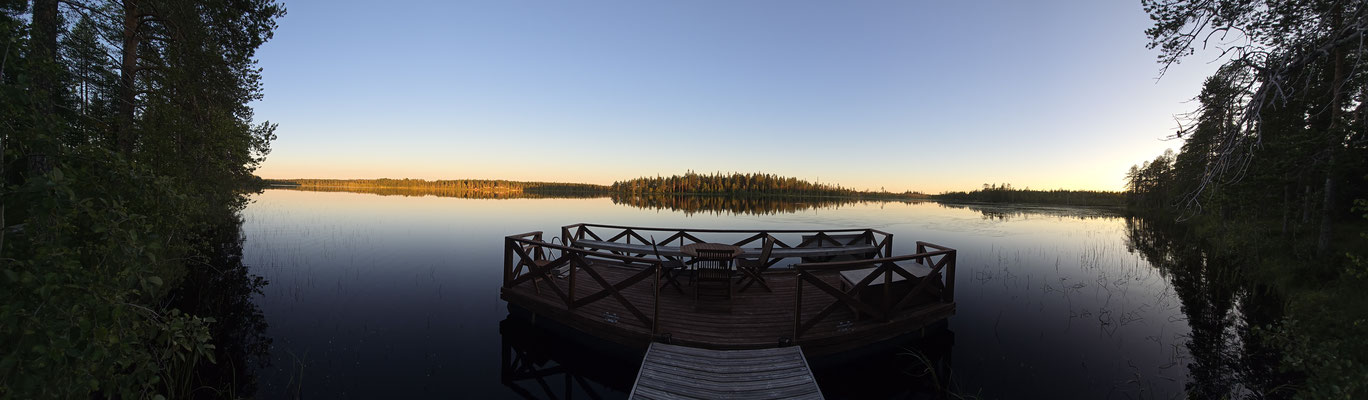
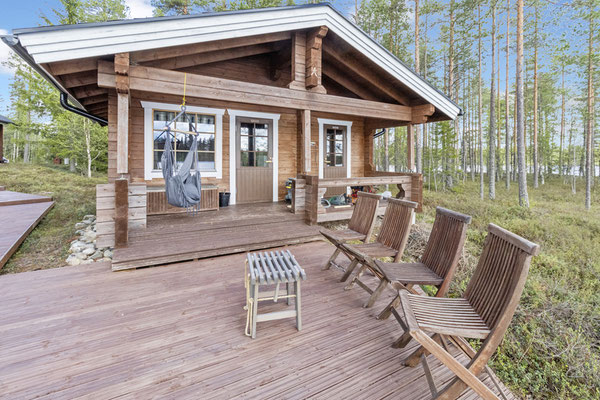
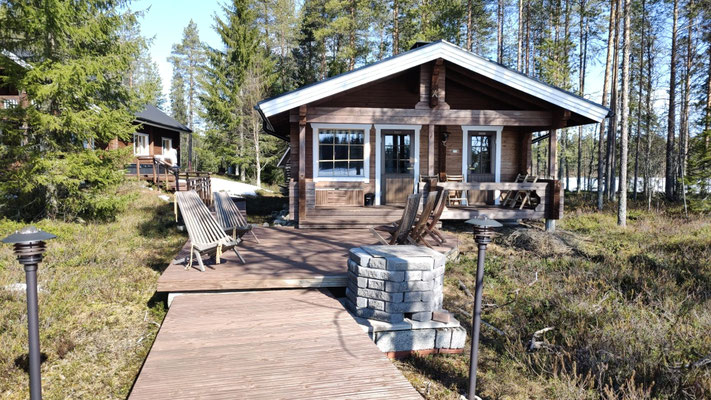
See Mökki Tikka by the lake or send us your travel plans.
The cabinExperiences & regionJournal