


In this blog
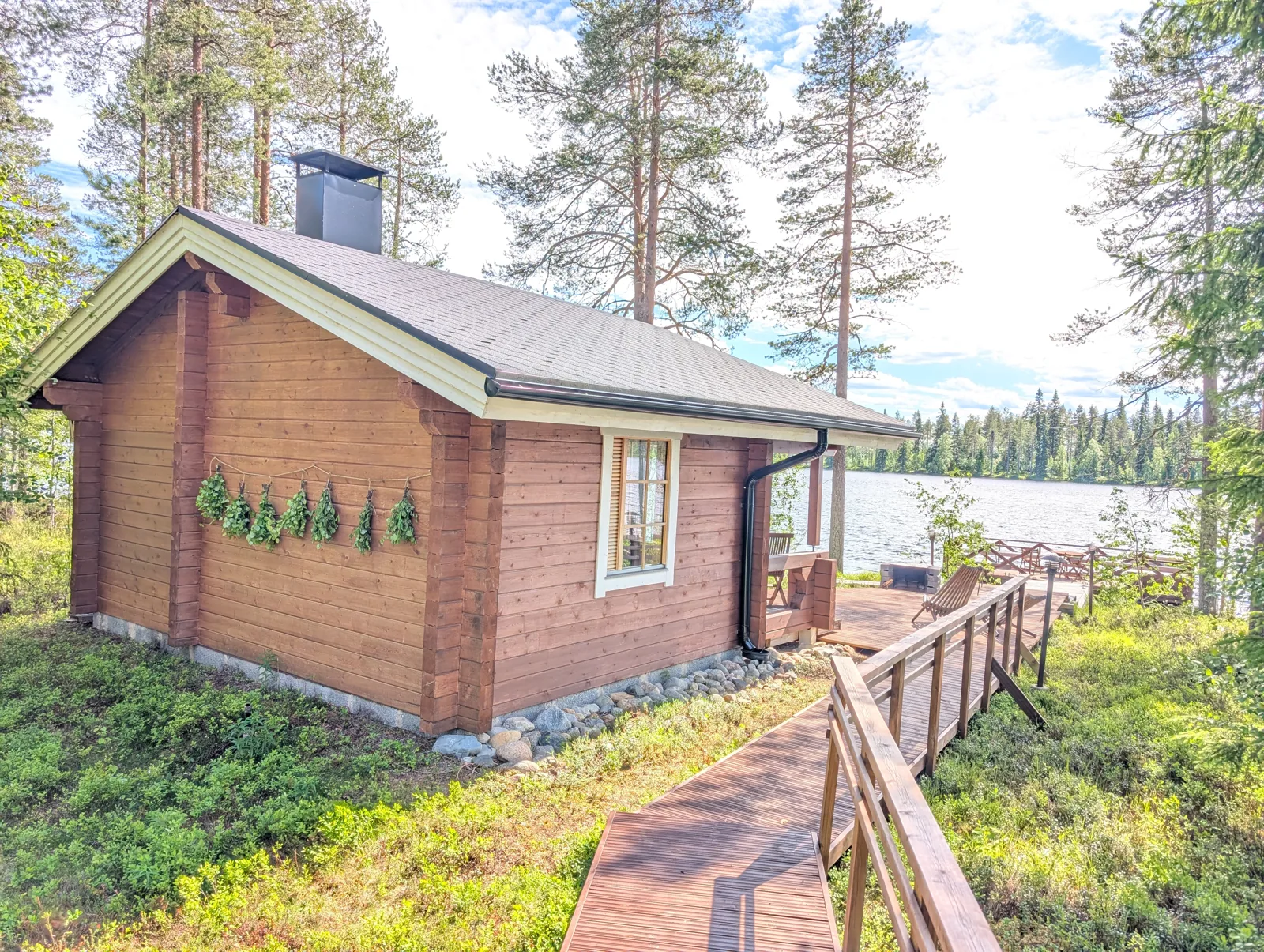
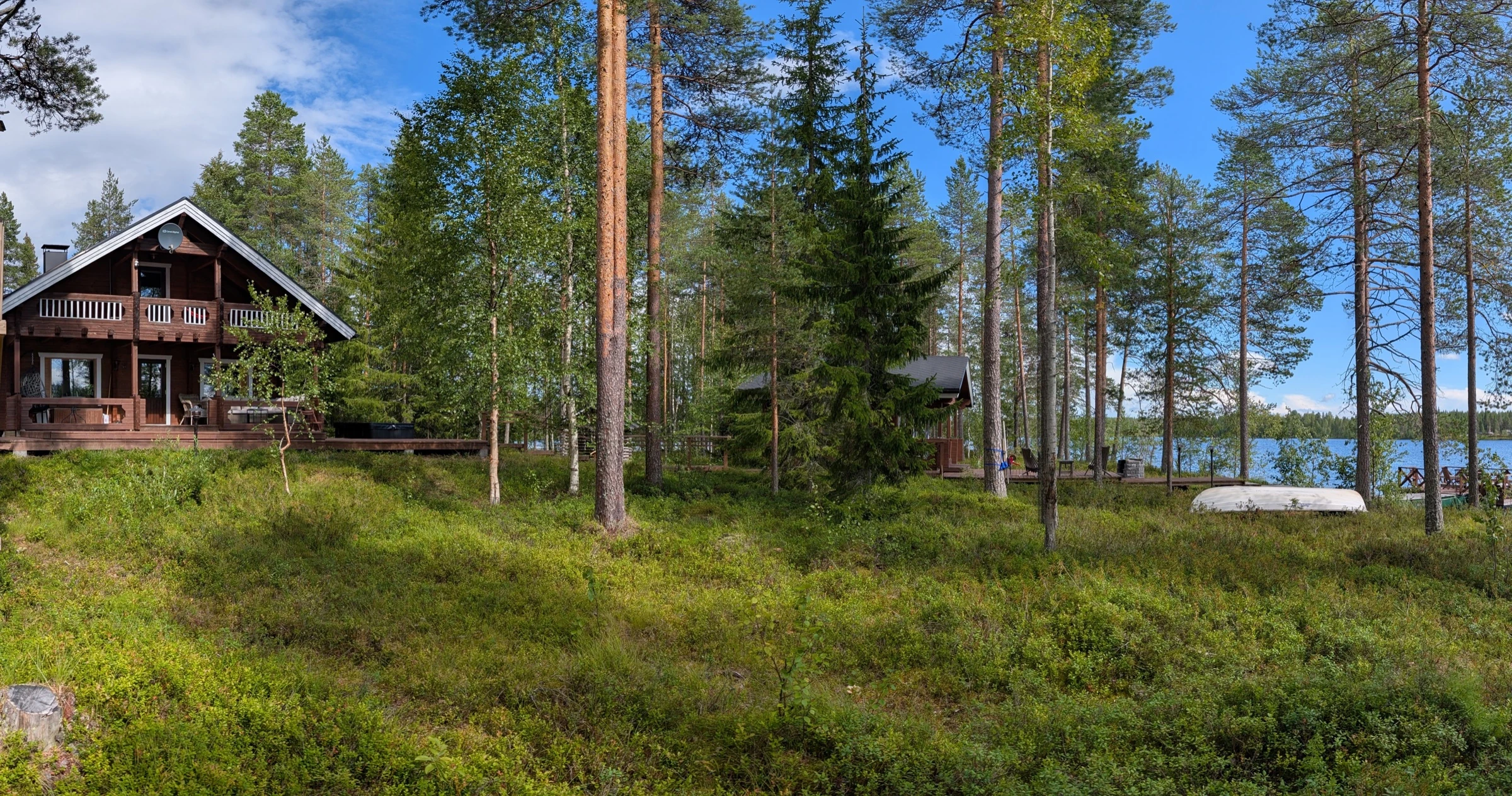
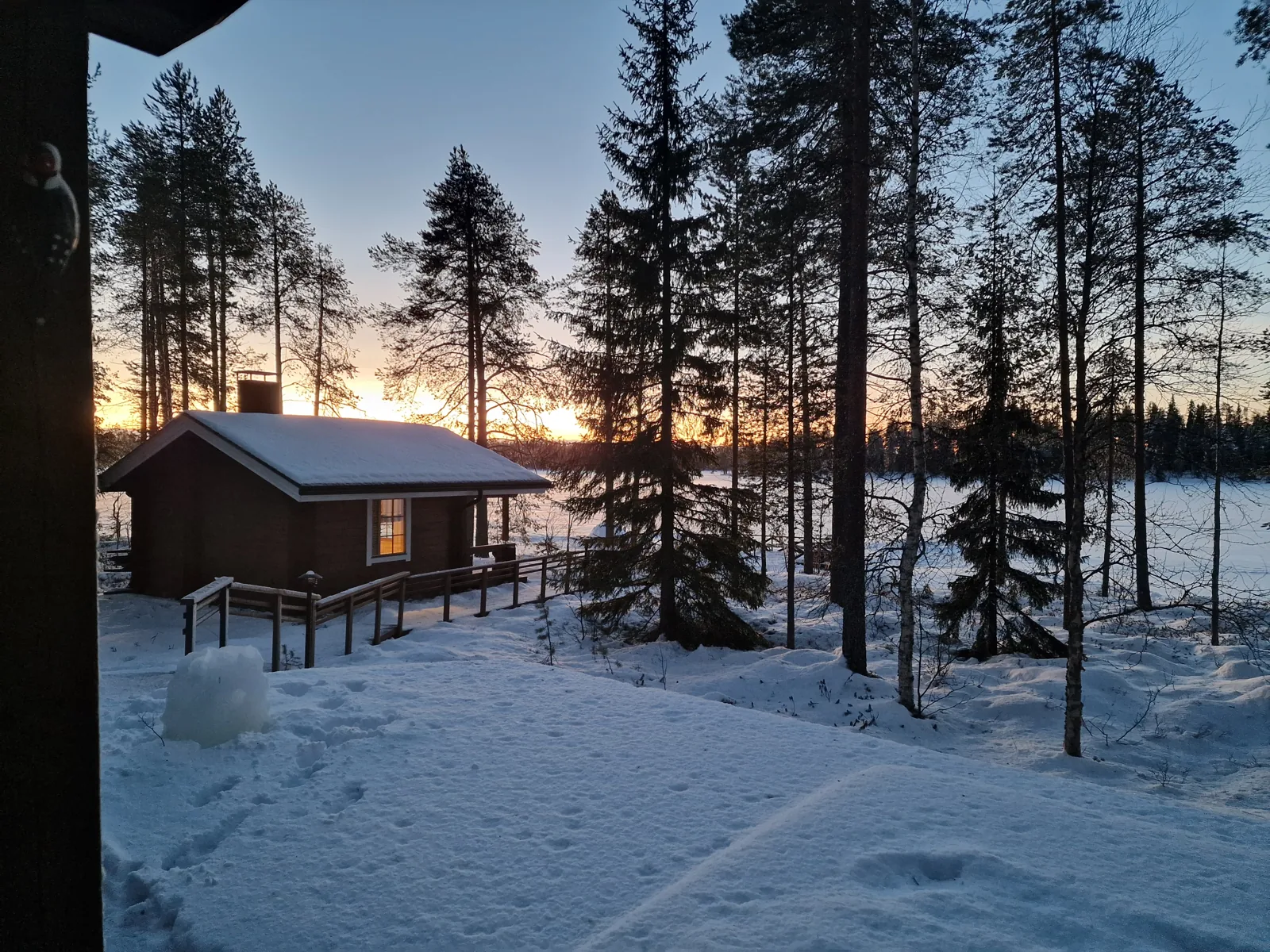
A wooden house by a lake, a boat on the shore and forest behind it. To us, that sounds like a holiday. For many people in the north, forest and water were long the foundations of everyday life.
How did this become the holiday region we know today? Join us on a short journey through Finnish Lapland, with a closer look at Rovaniemi and the south of the region.
When daily life depended on the land
In 19th-century Rovaniemi, many people lived from farming and keeping livestock. Fishing and hunting supplemented their livelihoods. Goods travelled along rivers, and markets took place where waterways met. Water connected communities.
Lapland has never had just one way of life. Its past and present also include the Sámi, an Indigenous people with their own languages and cultures. Fishing, reindeer herding and handicrafts are important Sámi traditions that remain alive today. Not everyone in Lapland is Sámi, and not all Sámi make their living from reindeer herding.
When the forest brought work
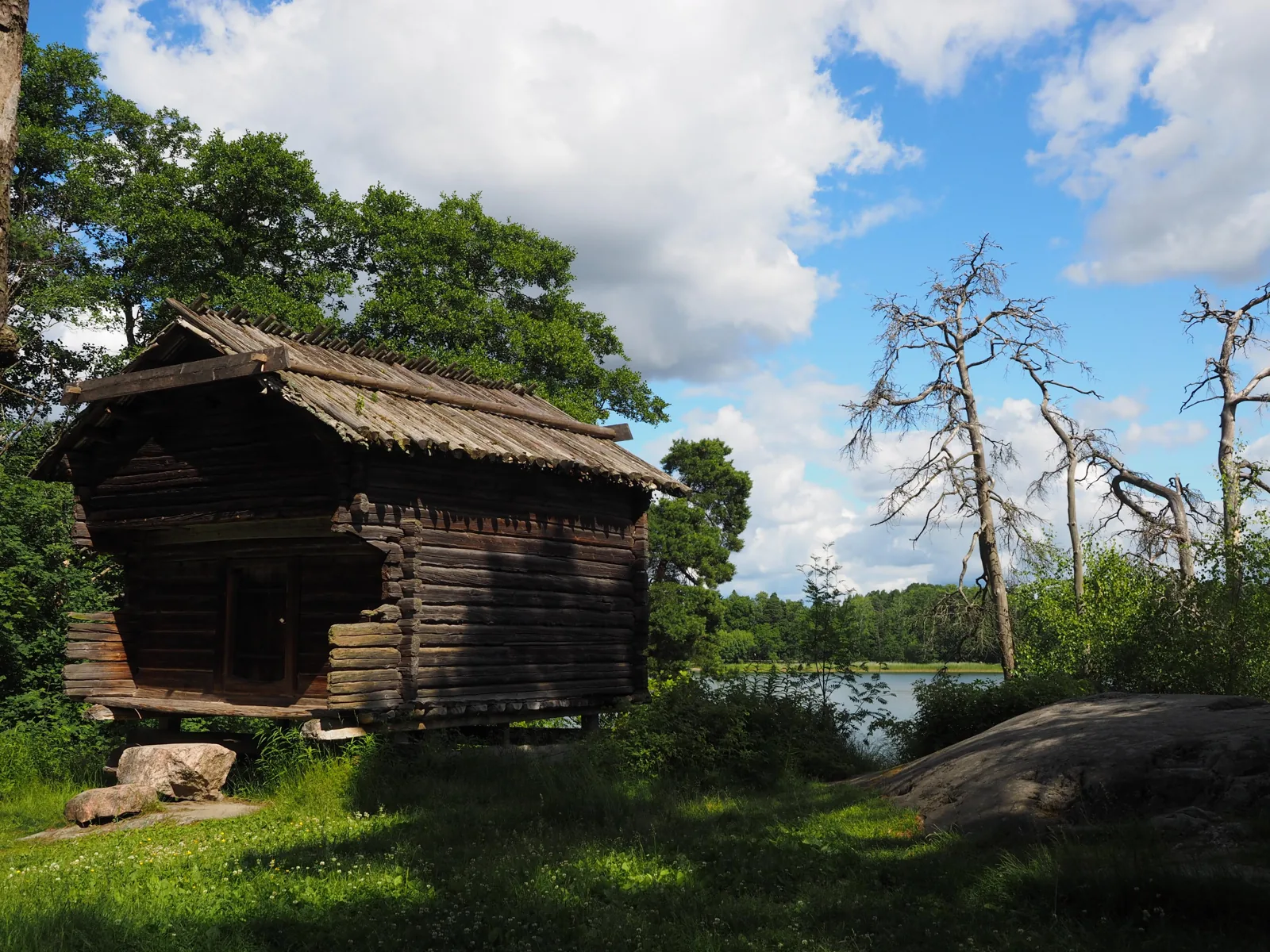
Industrialisation in the 19th century increased Europe’s demand for timber. Lapland’s forests attracted attention too. Loggers worked in remote camps, and timber travelled south along the rivers.
Forest work was physically demanding. It also brought income and helped settlements grow. The Forestry Museum of Lapland offers a glimpse of this period through old buildings, tools and stories.
The railway reached Rovaniemi in 1909. Goods and people could now reach the north more easily. The journey to Lapland was changing.
Destruction and a new beginning
Rovaniemi was badly destroyed during the Lapland War in 1944. Around 90 percent of the buildings in the centre were lost. Behind that figure were people who had to rebuild their homes and everyday lives.
Reconstruction began soon afterwards. Architect Alvar Aalto shaped the new town plan. A walk through Rovaniemi today also reveals the story of this new beginning.
A small cottage draws visitors
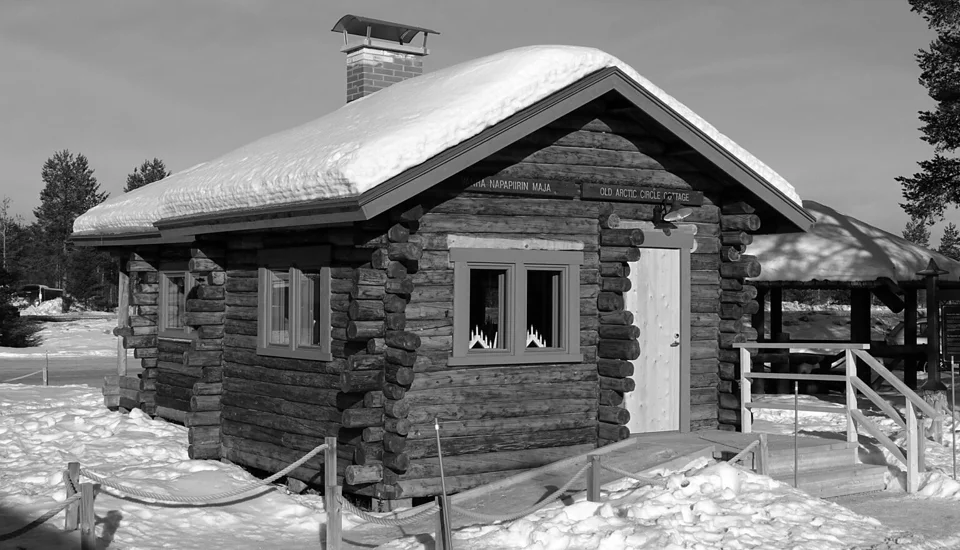
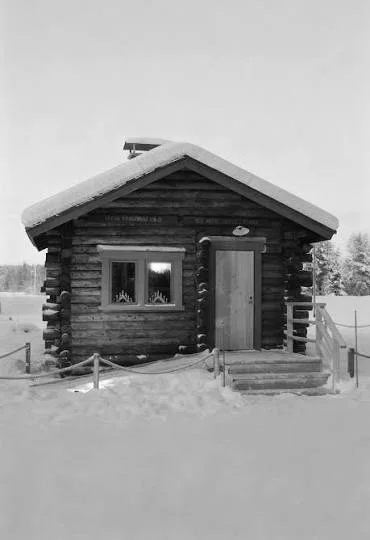
Eleanor Roosevelt visited Rovaniemi in 1950 to learn about reconstruction. A small wooden cabin was built for her visit to the Arctic Circle: Roosevelt Cottage.
It became an early attraction at the place where Santa Claus Village later developed. A cottage, a special latitude and the chance to send a postcard from there: sometimes a big travel story begins with something small.
Perhaps surprisingly, summer remained Rovaniemi’s main tourist season into the 1980s. The bright nights drew visitors north. From the mid-1980s, Christmas tourism gave winter greater importance. Since 1985, Santa Claus has been an established part of the visitor experience at the Arctic Circle.
View the historic photograph of Roosevelt Cottage from 1950
The journey at a glance
-
The forest brings work
Growing demand for timber changes forest work, transport and life in the north.
-
The railway arrives
Rovaniemi gains a railway connection, making the region easier to reach for goods and travellers.
-
Destruction and reconstruction
Rovaniemi is badly destroyed. Rebuilding follows, shaped by Alvar Aalto’s town plan.
-
A cottage at the Arctic Circle
A wooden cottage is built for Eleanor Roosevelt’s visit, becoming an early attraction for travellers.
-
Winter grows in importance
Santa Claus welcomes visitors at the Arctic Circle. Christmas tourism increasingly shapes Rovaniemi.
-
Time by the lake
At Mökki Tikka in Ranua, there is room for forest, water and holidays at your own pace.
Selected milestones focusing on Rovaniemi and southern Finnish Lapland, not a complete history of Lapland. Time intervals are not shown to scale.
What we seek at a cottage today
Today, we can travel to Lapland to sit by a lake, walk in the forest or spend an evening in the sauna. Tasks once needed for work and survival can become activities we choose: carrying firewood, rowing a boat or picking berries.
Earlier life was harder than a pretty cottage picture might suggest. Knowing a little about it can help us look more closely.
At Mökki Tikka by Lake Koirajärvi, there is time for that. Looking out at forest and water, you know this landscape has long been someone’s home. For a few days, it can be yours too.
Sources and further reading
The cabinExperiences & regionJournal